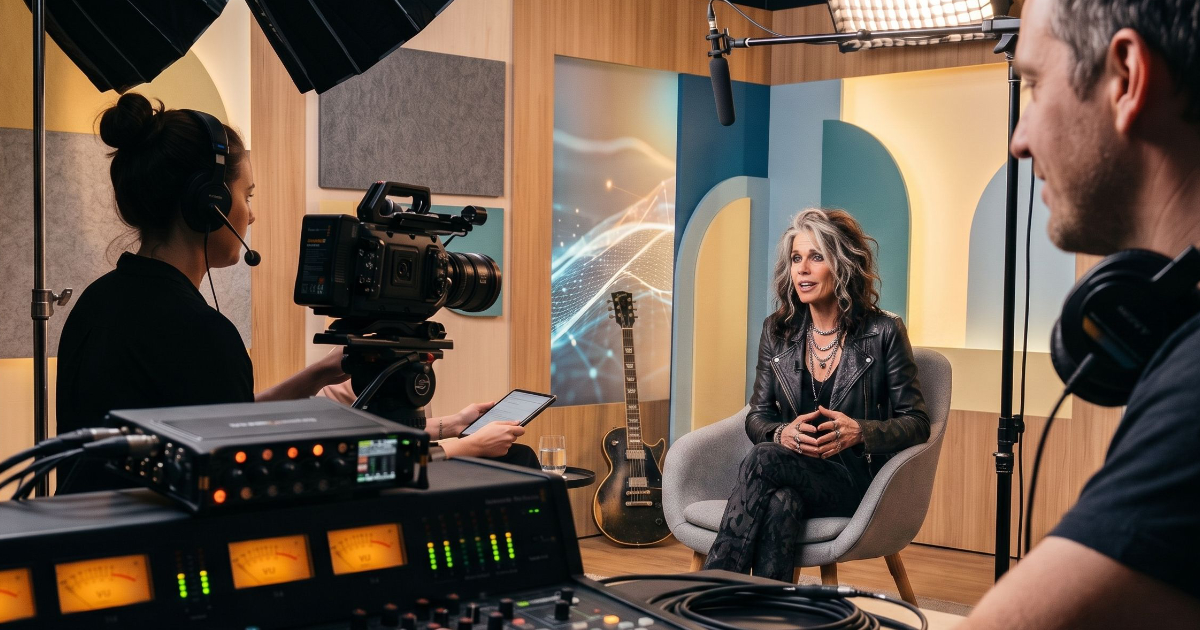
Somewhere on a memory card or shared drive is a folder of customer video. An event session filmed today, a webinar with a great Q&A, a conference talk where your advocate spent twenty minutes explaining why they chose you. Maybe a properly produced film - crew, lighting, the lot.
These files might have produced one asset each. Or they might be gathering dust already.
Video is great source material: one recording can yield a whole bill of materials - as fast as the day after. Let's dig deeper.
Why the files gather dust
Three reasons, and I've had all of them.
The mountain. Processing video is a climb: moving, binning, transcribing, editing, versioning, approvals and the technical stuff. If you work with an agency, that's manageable - provided you have budget. If it goes to an internal video team, join the queue behind every other department's priorities: you can kiss that footage goodbye, or at least don't hold your breath.
The video's job is done. Each recording was made as a finished thing - the webinar aired, the talk was given, the film launched. A finished item has no next step, so nobody goes back to the folder, because going back isn't anyone's job.
One-use thinking. The recording was designed for a single purpose, so that's how it's filed - under the event, the campaign, the launch. Nobody sees it as what else it could become.
It's a source
Strip away the format. A customer on a panel answering audience questions is giving you an interview - unrehearsed. A conference speaker is an advocate explaining the problem, the decision and the results, with numbers they chose to make public. Even a produced film sits on an hour of interview footage. A good production team gets the best three minutes on screen - eventually, but only after all the stakeholders have had their say - while compelling material ends up on the floor.
That's not a video. That's an interview that happens to have pictures.
We must not think of video as the outcome; it's the source. A source is different: it can yield again, and a written story or any other asset mined from it is a new asset, not a video re-run. That flash card or folder isn't an archive; it's a stack of interviews to be revisited.
Sound IS the asset
In my early 20s I was a recording engineer in a small studio and nightclub - roots reggae, punk, new romantics - as well as live sound engineering. So one habit of video production has always baffled me: when the budget tightens, the first person cut from the crew is the sound recordist. Anyone can hold a boom, goes the thinking. Anyone can hold a camera too... Makes my blood boil. Good sound engineering is a very skilled job.
This asymmetry matters: you can make something brilliant from substandard video, but no audio is a disaster. Clean-up can rescue a noisy room; it cannot reconstruct words that never reached the recording.
You are mining what was said, not how it was lit.
What one recording yields
At inevidence we pioneered the BoM: the Bill of Materials. Using an integrated agency meant working across all formats simultaneously: the film, the written story, the social cards, the OneSlider. The film alone would have left most of the shoot's value in the edit suite.
The idea was and is right; the economics are the limit. Each BoM takes a crew, an editor, a writer, a designer, a project manager, QA and weeks - worth it for the best stories (top of the pyramid).
Things have moved on. The affordable yield from one recording - any recording, not just the flagship shoots - is the written story, the socials, the summary, the OneSliders and the rest, published in days. The mountain need not be so steep.
As fast as the day after
Customer events prove the speed. A conference or customer day produces exactly this material: mainstage speakers, breakout speakers, booth interviews, a filming corner, vox pops in the corridor. The traditional fate of that footage is the drive - home with the crew, sometimes set for full productions, often mined for a highlights reel three weeks after anyone stopped talking about the event.
The better rhythm: upload each day's files that evening (good agencies do this anyway). By morning the transcripts are separated by speaker and the first drafts exist. A customer who speaks on Thursday can read their own story on Friday - and since approval travels with them, their yes is the only thing required. The follow-up lands while the event is still in everyone's inbox.
If you make premium films, keep making them
None of this argues against the beautiful stuff. When the moment justifies a film - a flagship account, a keynote - nothing else lands the same way. Make it; the rule, as ever, is to match the source to the ambition of the story. Then treat the film as the BoM hero, not the whole of it: the hour of interview underneath your three minutes carries everything else.
What's changed is that the rest of the BoM no longer needs a full team.
Keep making beautiful films. Turn them into everything else.
After the clip
Getting a customer to talk to a camera is the hard part, and it is only the first part. Watch what happens next in most programs: the file arrives, someone says "great, we got one", it goes in the folder, and the asking starts again next quarter.
A clip on its own asks a lot of the viewer. They have to press play, stay for two minutes and catch the number when it goes past. A written story does that work for them: the result is in the headline, the quote is on the page, and a buyer, a search engine or a colleague building a deck can find it and cite it.
So the clip is the interview, and the interview is where a story starts. It is transcribed, drafted, scored against the brand standard, edited, and sent back to the person who said it for their yes. Only then does it fan out into the rest of the bill of materials. The recording took them two minutes. What you publish is the story they approved.
Two minutes on camera is an interview. Treat it like one.
How this works in Proofpoints
Paste a YouTube, Vimeo or Wistia link - or upload a file - and it becomes a speaker-separated, timecoded transcript, sitting behind the story like any interview. The normal pipeline runs from there: drafted against your brand rulebook, scored, refined, to be enhanced by a human if needed, approved by the advocate on the record, published.
Every story can be downloaded as its Bill of Materials - one organised file, every asset. What took weeks now happens semi-automatically at little time or dollar investment. (Capturing new material works too - advocates can record answers straight from a campaign link, clean-up included - but that's a story for another guide, as is the podcast your published stories can become.)
FAQ
Can I use a webinar recording as the source for a customer story? Yes, and it's a good source - customers speaking unrehearsed, with specifics. Transcribe it with speakers identified, write from the transcript, and put the finished piece through the same advocate approval as any interview.
Do I need the video file, or is a link enough? A link is usually enough. Public or unlisted YouTube, Vimeo and Wistia links can be transcribed directly; a file upload covers everything else.
Does video or audio quality matter? They both matter, yet for this repurposing the audio is key. You can make something brilliant from substandard video, but no audio is a disaster - clean-up rescues noisy rooms, not words that were never recorded.
Do I need the customer's permission to reuse a public webinar? Treat reuse as a fresh ask. The recording may be public, but a written story is a new asset in their name - so it goes to the advocate for approval like anything else. In practice the ask is easy: you're showing them something flattering that already exists in public.
How fast can an event interview become a published story? Interviewed Thursday, ready to publish Friday. Upload the day's footage in the evening; by morning the transcript is separated by speaker and the draft exists. The only gate after that is the advocate's approval - which is exactly the gate you want.
Robin Hamilton is the founder of Proofpoints. Twenty-five years in B2B customer advocacy, both sides of the fence, dozens of programs.